For the past 15 days I have been lucky enough to travel and live in Bali, Indonesia.
It's warm, beautiful and has a truly unique culture that means everyone always does their best to make you feel comfortable and welcome – always!
And even though in my long fight to save the street dog Chong, whom I met on my way, I have come across some not-so-fantastic aspects of Balinese culture (for example, it is standard to simply put a dog on the street if you are tired of it, and you should be careful about eating chicken because the many meat traders collect dogs illegally, tear them alive and sell them to restaurants that serve dog instead of chicken to unknowing tourists), I am a fan of Bali!
Everywhere I've been, they've thanked me for my commitment to their country and their animals, and everyone has done the very best they could to help me along the way.
I have 6 days left down here, and the status is that I have now secured Chong daily food and water from the nice people who work at the café where he stays during the day, and treatment for worms, parasites, etc. from the local animal shelter – the only thing I need is to find him a good and permanent home – and here the dilemma begins…

Because how do you choose what is best for a dog that has been exposed to more than enough in its 2-year life?
Ideally, I would like to find a good home down here so he could stay in a more familiar environment and avoid a violent and possibly traumatizing flight to Denmark. But what exactly is a good home? He will definitely not be able to sleep in the bed or get dog snacks at all times…
The Balinese don't have dogs like we do - and then there's the added factor that it's necessary to be 190% sure that the inquiries that come up on the local FB post are not from the aggressive meat traders, so he risks an even worse fate in the long run.
Of course, I would have preferred to have taken him home myself – given him a home and a daily life where I knew he would be well off. (by my standards)
Realistically, I just have to admit that it's not possible.
I don't have the time at the moment to work and retrain a stray dog into a domestic dog, nor a lifestyle where it is possible to have two dogs with me at work, etc. - just like Nemo, unfortunately, doesn't really like anyone else in his home but himself...
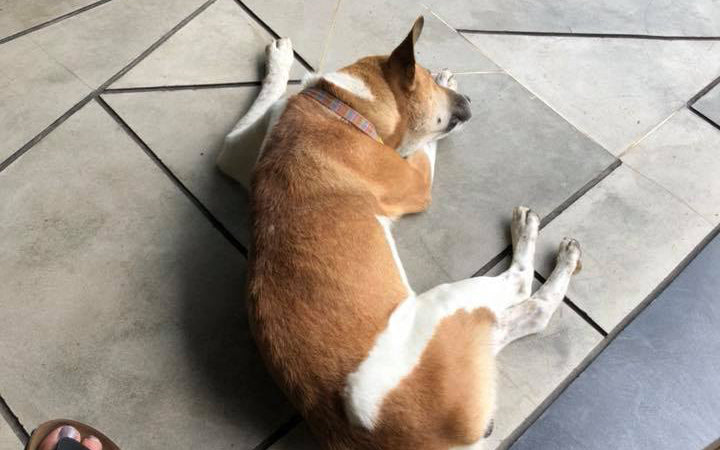
And then, is it really the best solution to take an already stressed dog and subject it to 20 hours of air transport in a cargo hold – followed by 30 days in a kennel in quarantine, what effect will that have on his behavior?
Of course, there is also the option of simply accepting that I have now helped him with both food and vet care – and then leaving him on the street, knowing that his fate then depends on the café's help and support during the day... and even though I continue to donate food, cafés down here close and change owners like the rest of us change underwear.
I can also pay to sponsor him and have him in a kennel here in Bali, where they will take care of him and where he will be safe – but so what? He can't spend the rest of his life in a kennel, sitting and waiting for...who?
It's a super difficult decision, and although we always think that home is best – and my controlling gene would love to have the opportunity to follow his development and life.
But then I also think, who is it best for? Me or the dog?
Because when I, like yesterday, see the local dogs frolicking here on the beach in Sanur, see them swimming, rolling in the sand, lying down and relaxing and generally having the freedom to choose for themselves – you can't help but smile at them, because they are having a great time and definitely have a good dog life.
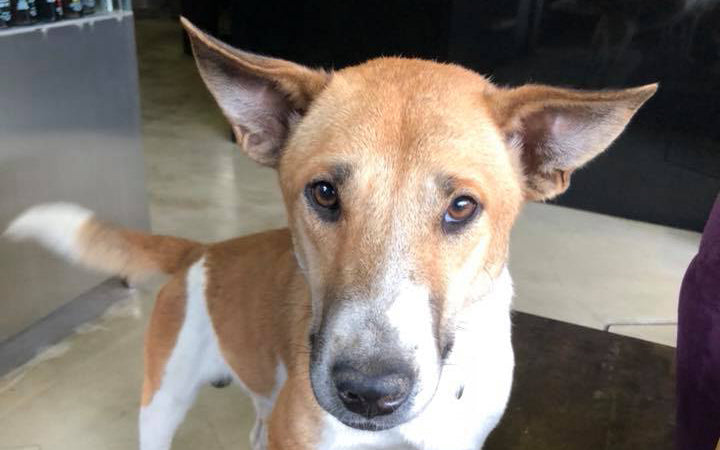
Tomorrow I'm going to meet a Balinese man who I've gotten in touch with through my Danish network. He already has a dog and has just got a new big house with a garden – the deal is that we have 10 hours of seightseeing around Bali, so I have the opportunity to get to know him a little – and if all goes well he can either have Chong in foster care or give him a home in exchange for me donating for his food and continued care…well what can I say, some people have sponsored children, I end up having a sponsored dog…
I'm crossing my fingers that I make the right decision for Chong – but it's a dilemma, because what is actually the best dog life in general? From the dog's perspective, that is?
And who are we really supposed to choose?
Behind the week's blog:
The author behind this week's DogCoach blog is Linn Radsted.
Linn is an independent consultant and serial entrepreneur of 8 years and has a Jack Russell terrier, Nemo, who is almost 6 years old, who is currently primarily a companion dog.
In addition to other projects, she is the founder and owner of DogCoach.
The difficult choice – which is best?
It's warm, beautiful and has a truly unique culture that means everyone always does their best to make you feel comfortable and welcome – always!
And even though in my long fight to save the street dog Chong, whom I met on my way, I have come across some not-so-fantastic aspects of Balinese culture (for example, it is standard to simply put a dog on the street if you are tired of it, and you should be careful about eating chicken because the many meat traders collect dogs illegally, tear them alive and sell them to restaurants that serve dog instead of chicken to unknowing tourists), I am a fan of Bali!
Everywhere I've been, they've thanked me for my commitment to their country and their animals, and everyone has done the very best they could to help me along the way.
I have 6 days left down here, and the status is that I have now secured Chong daily food and water from the nice people who work at the café where he stays during the day, and treatment for worms, parasites, etc. from the local animal shelter – the only thing I need is to find him a good and permanent home – and here the dilemma begins…
Because how do you choose what is best for a dog that has been exposed to more than enough in its 2-year life?
Ideally, I would like to find a good home down here so he could stay in a more familiar environment and avoid a violent and possibly traumatizing flight to Denmark. But what exactly is a good home? He will definitely not be able to sleep in the bed or get dog snacks at all times…
The Balinese don't have dogs like we do - and then there's the added factor that it's necessary to be 190% sure that the inquiries that come up on the local FB post are not from the aggressive meat traders, so he risks an even worse fate in the long run.
Of course, I would have preferred to have taken him home myself – given him a home and a daily life where I knew he would be well off. (by my standards)
Realistically, I just have to admit that it's not possible.

I don't have the time at the moment to work and retrain a stray dog into a domestic dog, nor a lifestyle where it is possible to have two dogs with me at work, etc. - just like Nemo, unfortunately, doesn't really like anyone else in his home but himself...
And then, is it really the best solution to take an already stressed dog and subject it to 20 hours of air transport in a cargo hold – followed by 30 days in a kennel in quarantine, what effect will that have on his behavior?
Of course, there is also the option of simply accepting that I have now helped him with both food and vet care – and then leaving him on the street, knowing that his fate then depends on the café's help and support during the day... and even though I continue to donate food, cafés down here close and change owners like the rest of us change underwear.
I can also pay to sponsor him and have him in a kennel here in Bali, where they will take care of him and where he will be safe – but so what? He can't spend the rest of his life in a kennel, sitting and waiting for...who?
It's a super difficult decision, and although we always think that home is best – and my controlling gene would love to have the opportunity to follow his development and life.
But then I also think, who is it best for? Me or the dog?
Because when I, like yesterday, see the local dogs frolicking here on the beach in Sanur, see them swimming, rolling in the sand, lying down and relaxing and generally having the freedom to choose for themselves – you can't help but smile at them, because they are having a great time and definitely have a good dog life.
Tomorrow I'm going to meet a Balinese man who I've gotten in touch with through my Danish network. He already has a dog and has just got a new big house with a garden – the deal is that we have 10 hours of seightseeing around Bali, so I have the opportunity to get to know him a little – and if all goes well he can either have Chong in foster care or give him a home in exchange for me donating for his food and continued care…well what can I say, some people have sponsored children, I end up having a sponsored dog…
I'm crossing my fingers that I make the right decision for Chong – but it's a dilemma, because what is actually the best dog life in general? From the dog's perspective, that is?
And who are we really supposed to choose?
Behind the week's blog:
The author behind this week's DogCoach blog is Linn Radsted.
Linn is an independent consultant and serial entrepreneur of 8 years and has a Jack Russell terrier, Nemo, who is almost 6 years old, who is currently primarily a companion dog.
In addition to other projects, she is the founder and owner of DogCoach.